Reading duration: 15 minutes
Last updated: 2026-03-19
If you’re dealing with a red, itchy, flaky scalp—and nothing seems to work long-term—you’re not alone. Scalp inflammation is one of the most common yet overlooked dermatological concerns, affecting millions worldwide. Left untreated, it can lead to chronic discomfort and even progressive hair loss.
In this guide, we break down the science behind red light therapy for scalp inflammation, share evidence-based protocols, and explain how to choose the right device—so you can make an informed decision for your scalp health.
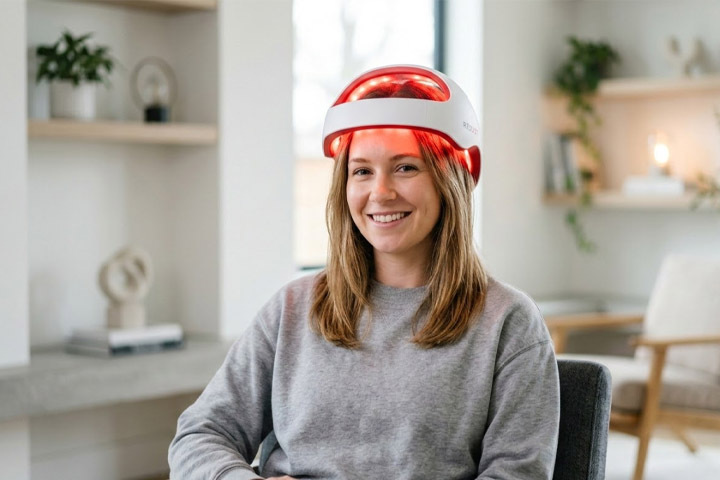
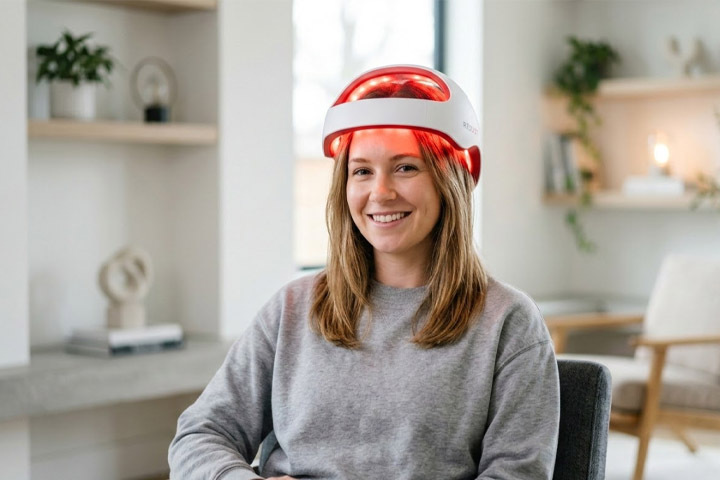
A woman is using a red light therapy device to treat her head at home.
Key Takeaways
Before we dive deep, here are the essential facts you should know about red light therapy and scalp inflammation:
- Red light therapy (photobiomodulation) uses 630–660 nm red and 810–850 nm near-infrared wavelengths to reduce inflammation at the cellular level.
- It works by boosting mitochondrial ATP production, promoting vasodilation, and modulating pro-inflammatory cytokines.
- Clinical studies show significant improvements in hair density, hair thickness, and scalp condition after 12–24 weeks of consistent use.
- It is non-invasive, has minimal side effects, and can be safely combined with minoxidil, medicated shampoos, and other scalp treatments.
- Results require maintenance—benefits stop when treatment is discontinued.
- Not all devices are equal. Wavelength accuracy, irradiance, and scalp-specific design are critical for effectiveness.
- Certain groups—including those with active skin cancer, photosensitivity disorders, or on photosensitizing medications—should consult a physician first.
What Are the Causes of Scalp Inflammation?
Scalp inflammation is an umbrella term for redness, swelling, itching, and irritation on the scalp. Understanding its root causes is the first step toward effective treatment—and knowing whether red light therapy can help.
Common Conditions That Cause Scalp Inflammation
Seborrheic dermatitis is one of the most common culprits. It causes red, scaly, flaky patches linked to an overgrowth of Malassezia yeast on the skin. It tends to flare during periods of stress, cold weather, or hormonal change.
Scalp psoriasis is an autoimmune condition where the immune system accelerates skin cell turnover, producing thick, silvery scales and painful red patches. It can extend beyond the hairline onto the forehead, ears, and neck.
Folliculitis occurs when hair follicles become inflamed or infected—typically by bacteria (Staphylococcus aureus) or fungi. Tight hairstyles, excessive scratching, and chemical products increase the risk. Left untreated, chronic folliculitis can cause scarring alopecia (Source: U.S. Dermatology Partners, 2025).
Contact dermatitis is triggered when the scalp reacts to allergens or irritants in hair dyes, styling products, or shampoos—resulting in redness, itching, and sometimes blistering.
Other contributors include fungal infections (tinea capitis), hormonal fluctuations, excessive sebum production, environmental pollutants, chronic stress, and poor scalp hygiene.
How Scalp Inflammation Leads to Hair Loss
Chronic inflammation disrupts the normal hair growth cycle. Persistent inflammatory signals damage follicles and surrounding tissue, pushing hairs from the anagen (growth) phase into the telogen (resting) phase prematurely. In severe cases like scarring alopecia, the damage is irreversible—making early intervention essential.
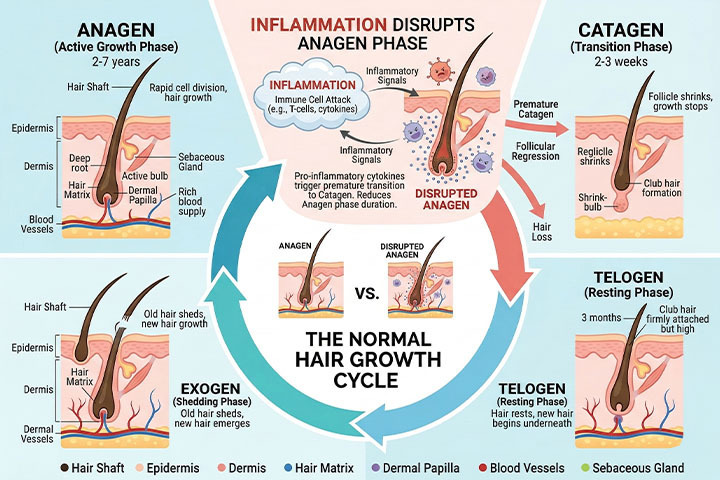
The hair growth cycle and inflammation how they interfere with the growth stage
✅ Quick Summary:
- Seborrheic dermatitis, psoriasis, folliculitis, and contact dermatitis are the leading causes.
- Chronic inflammation can permanently damage follicles if untreated.
- Identifying the specific cause helps determine the best combination of treatments.
What Is Red Light Therapy?
Red light therapy—known scientifically as photobiomodulation (PBM) or low-level light therapy (LLLT)—is a non-invasive treatment that uses specific wavelengths of red and near-infrared light to stimulate cellular repair and reduce inflammation. It requires no drugs, no UV radiation, and no downtime.